Jaeger-LeCoultre Reverso
Jaeger-LeCoultre Reverso in brief
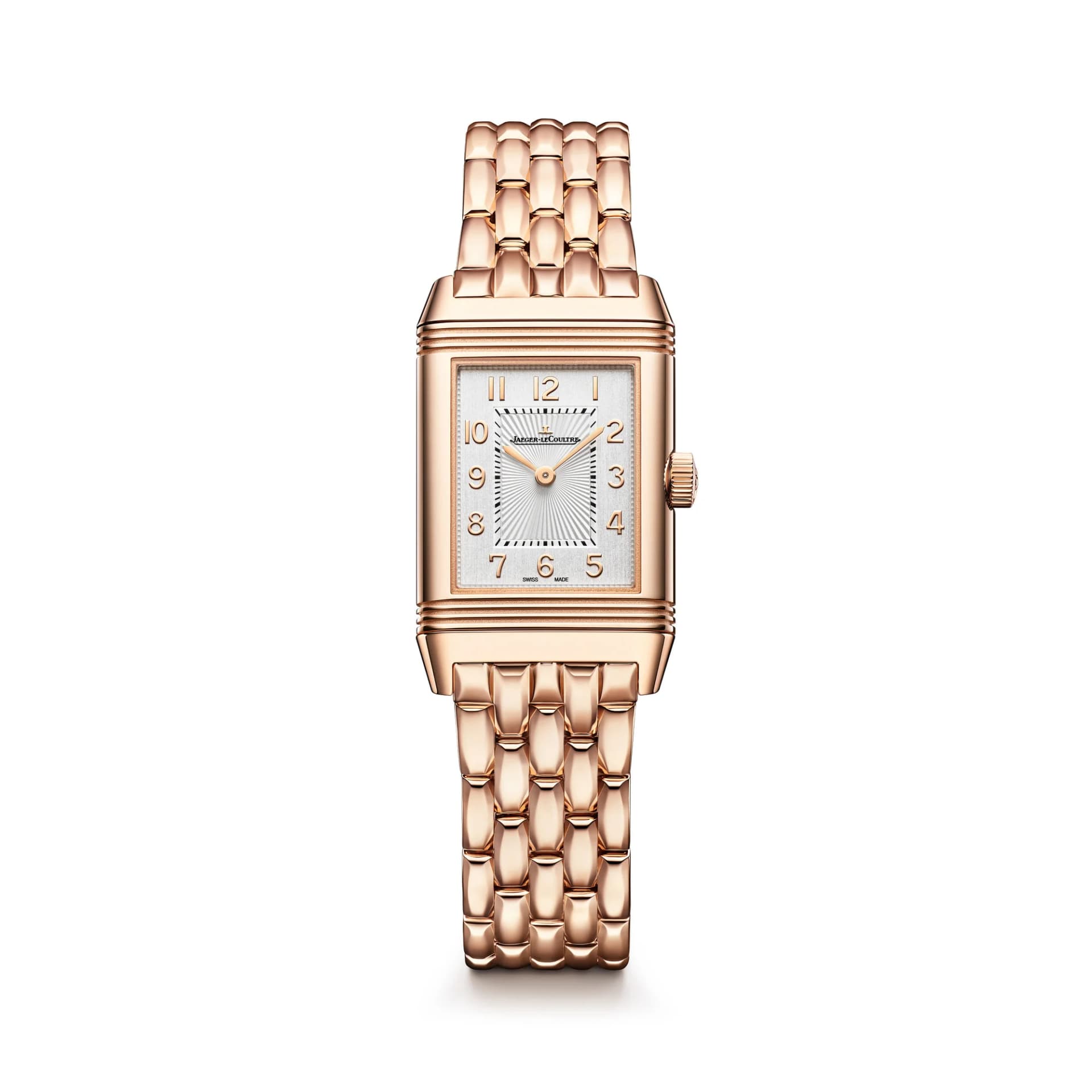
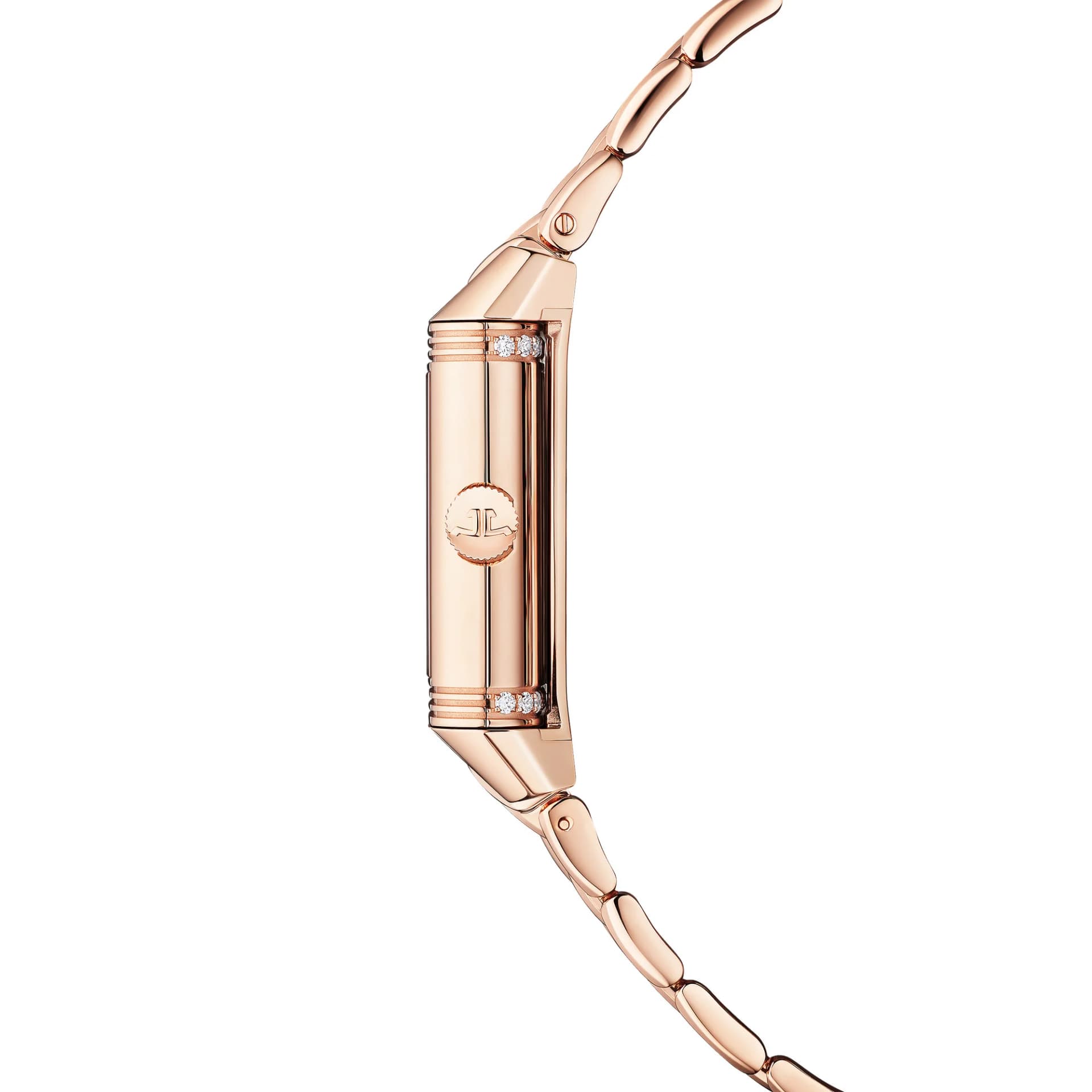
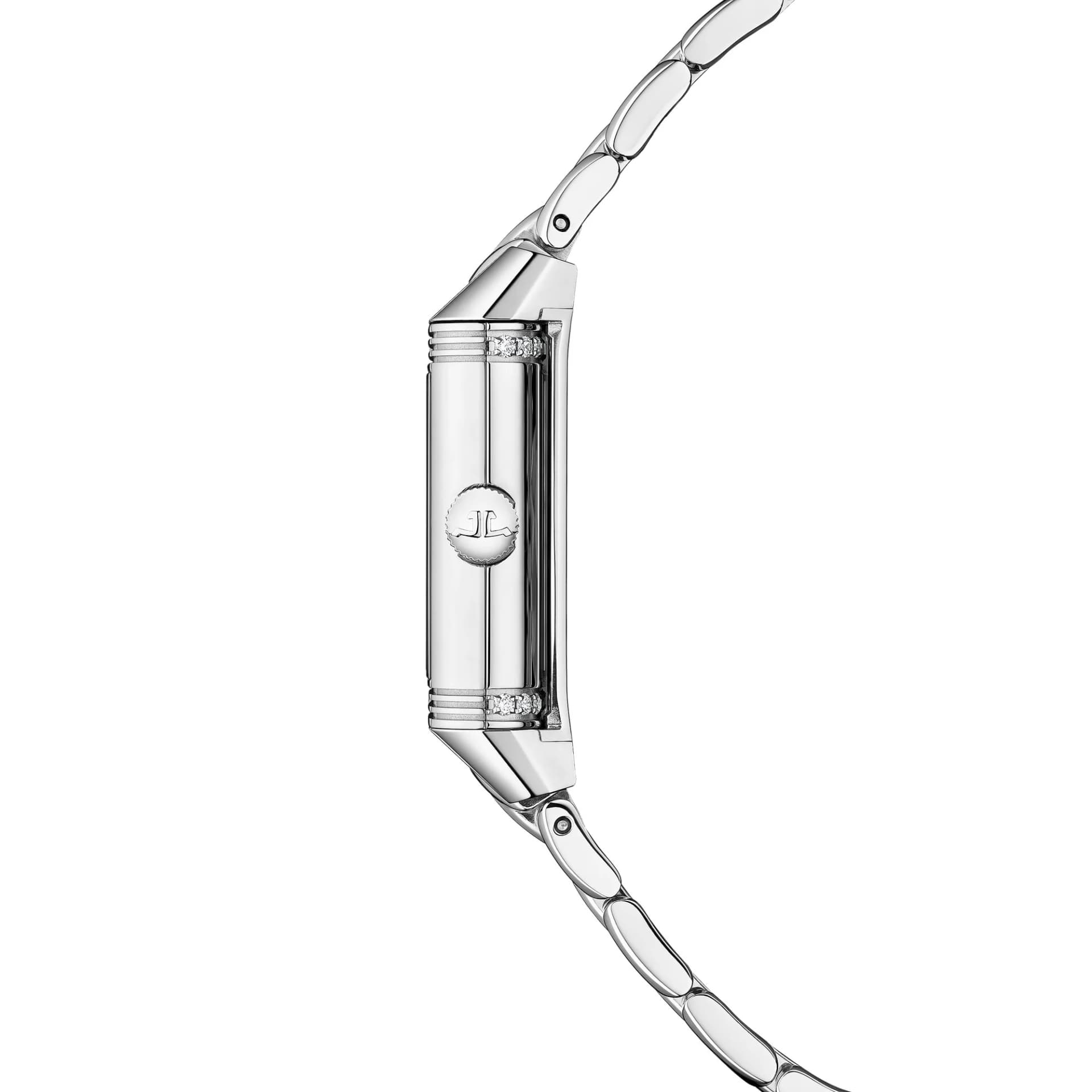
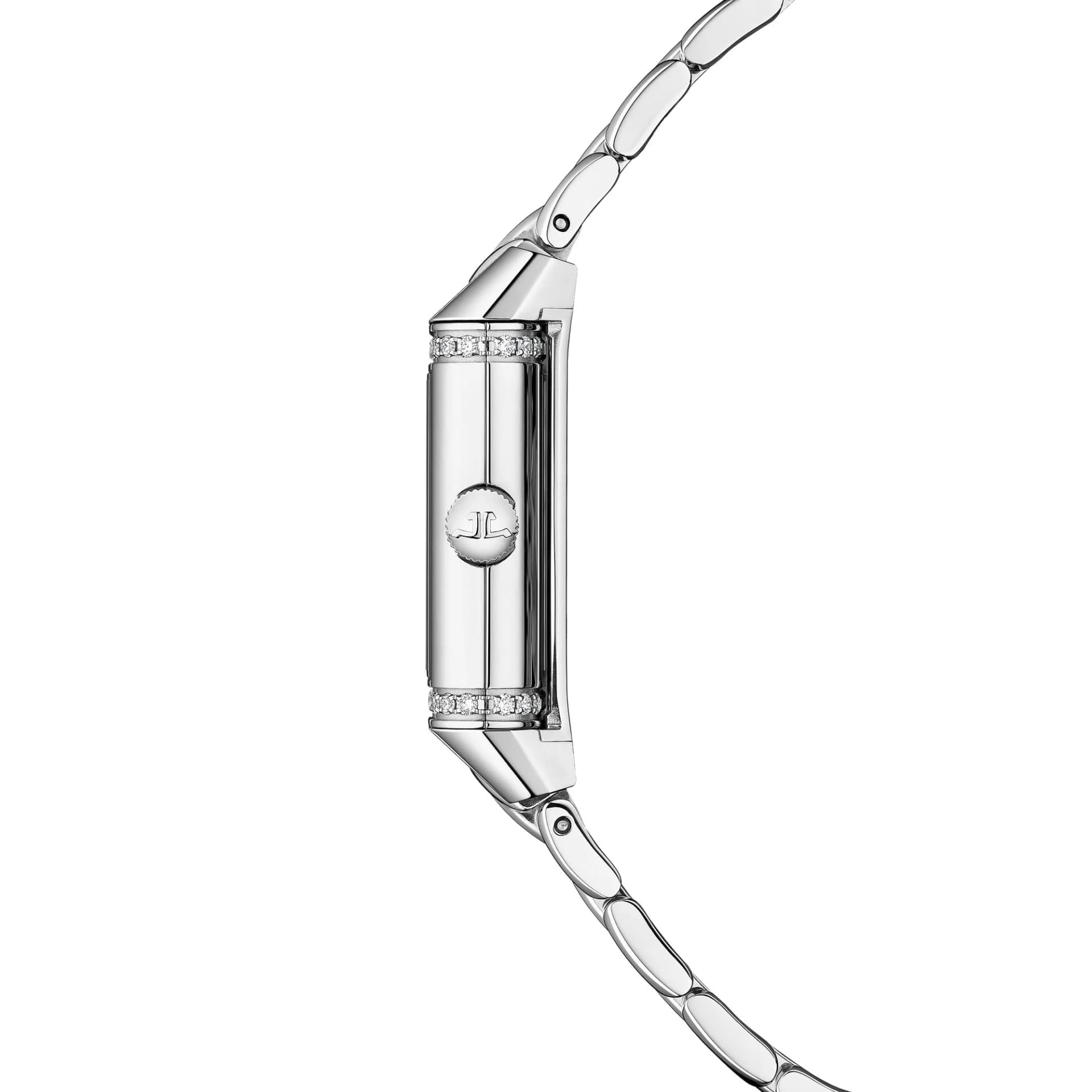
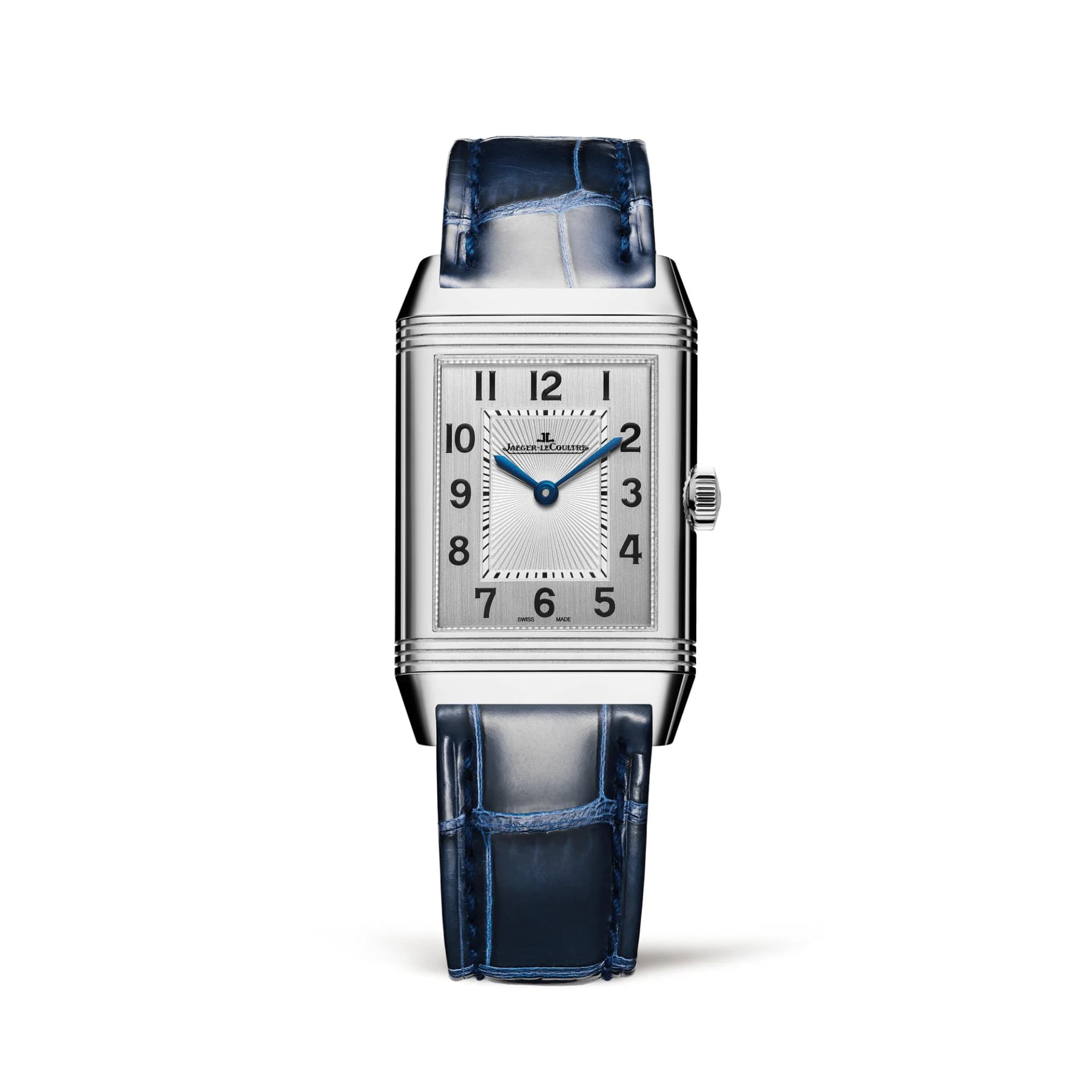
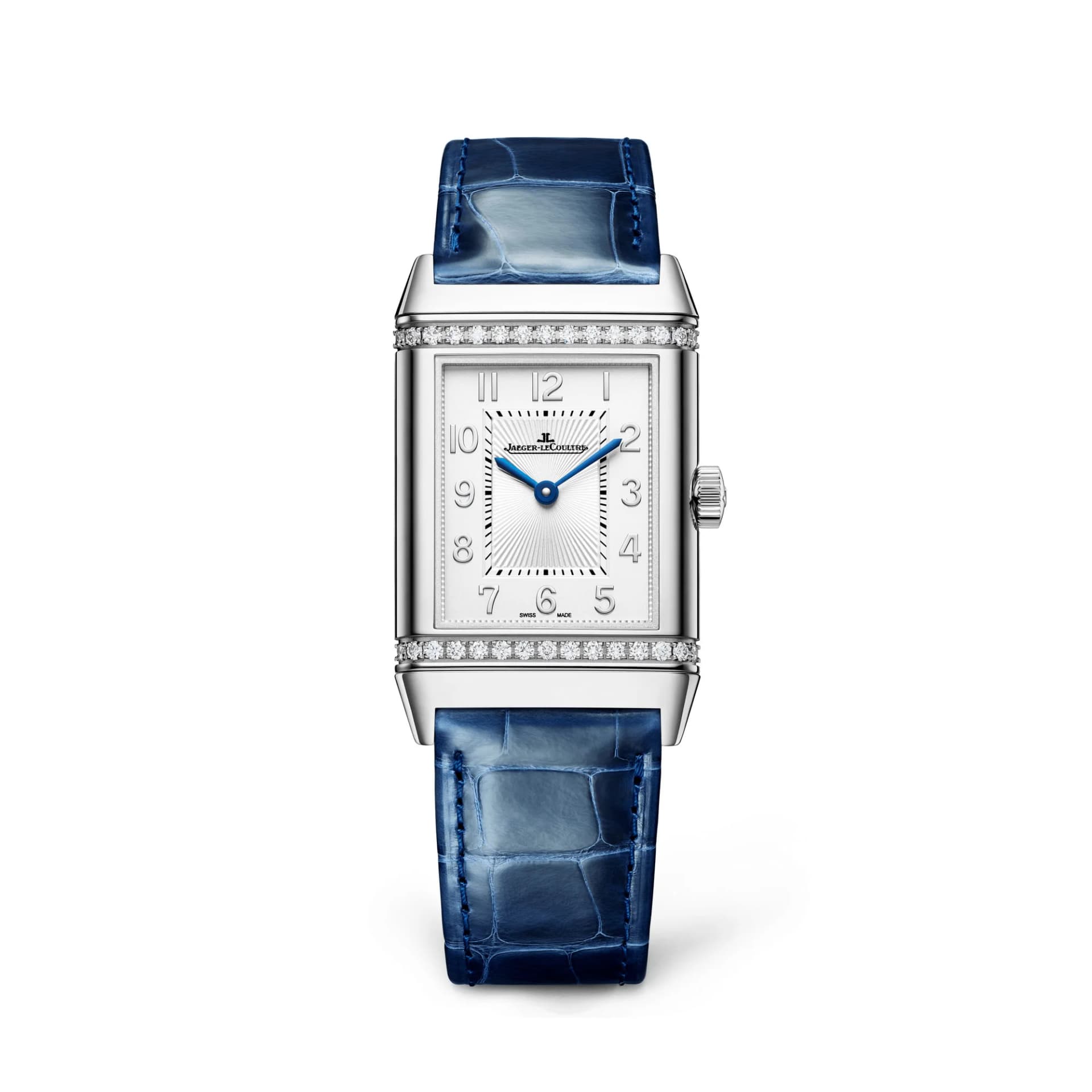
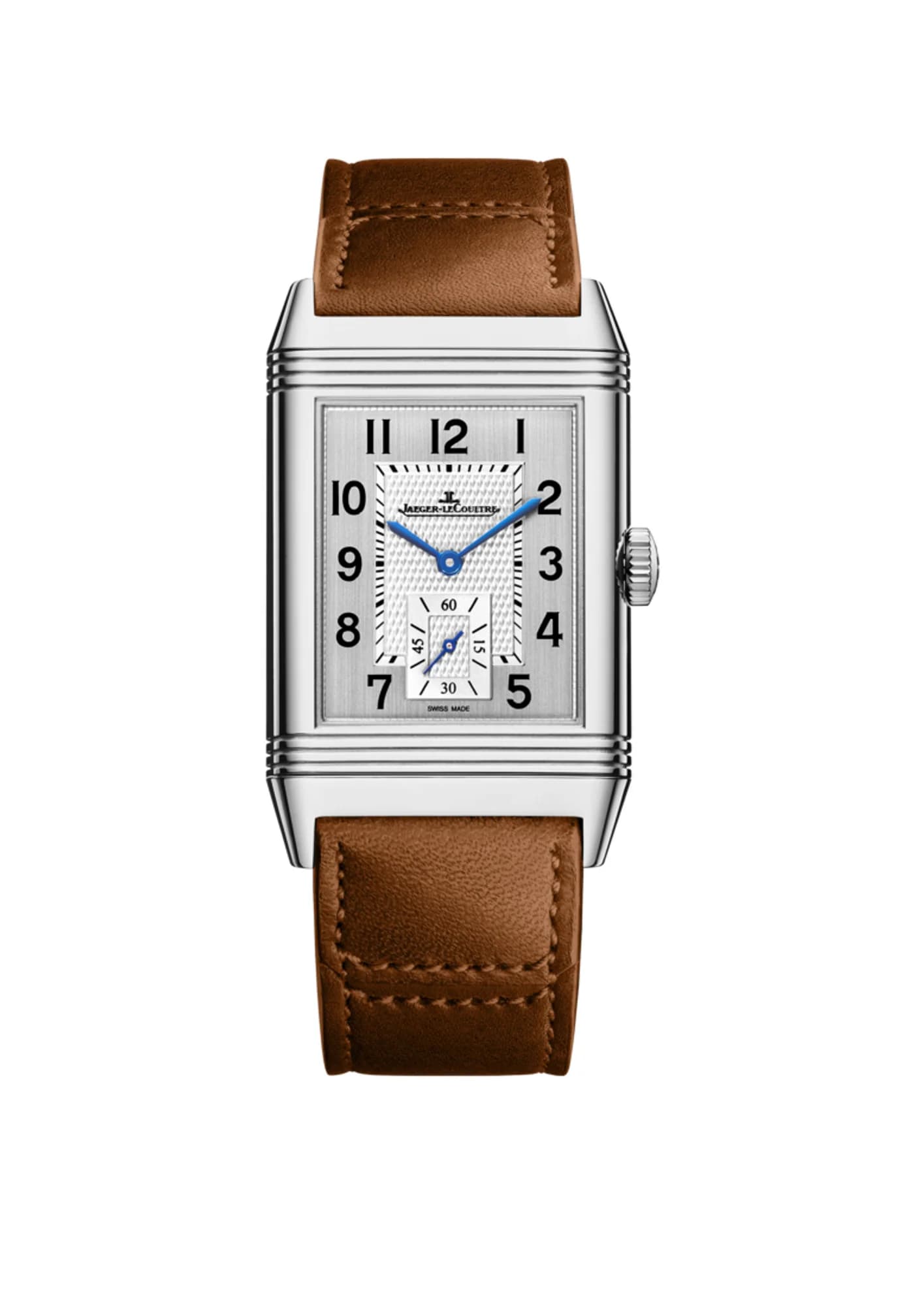
The Reverso was born in 1931 as a solution for the watches of polo players in India, whose crystals were broken during matches: the case slides in its carriage and flips over to protect the dial. This idea created one of the best-known watches of the Art Deco era.
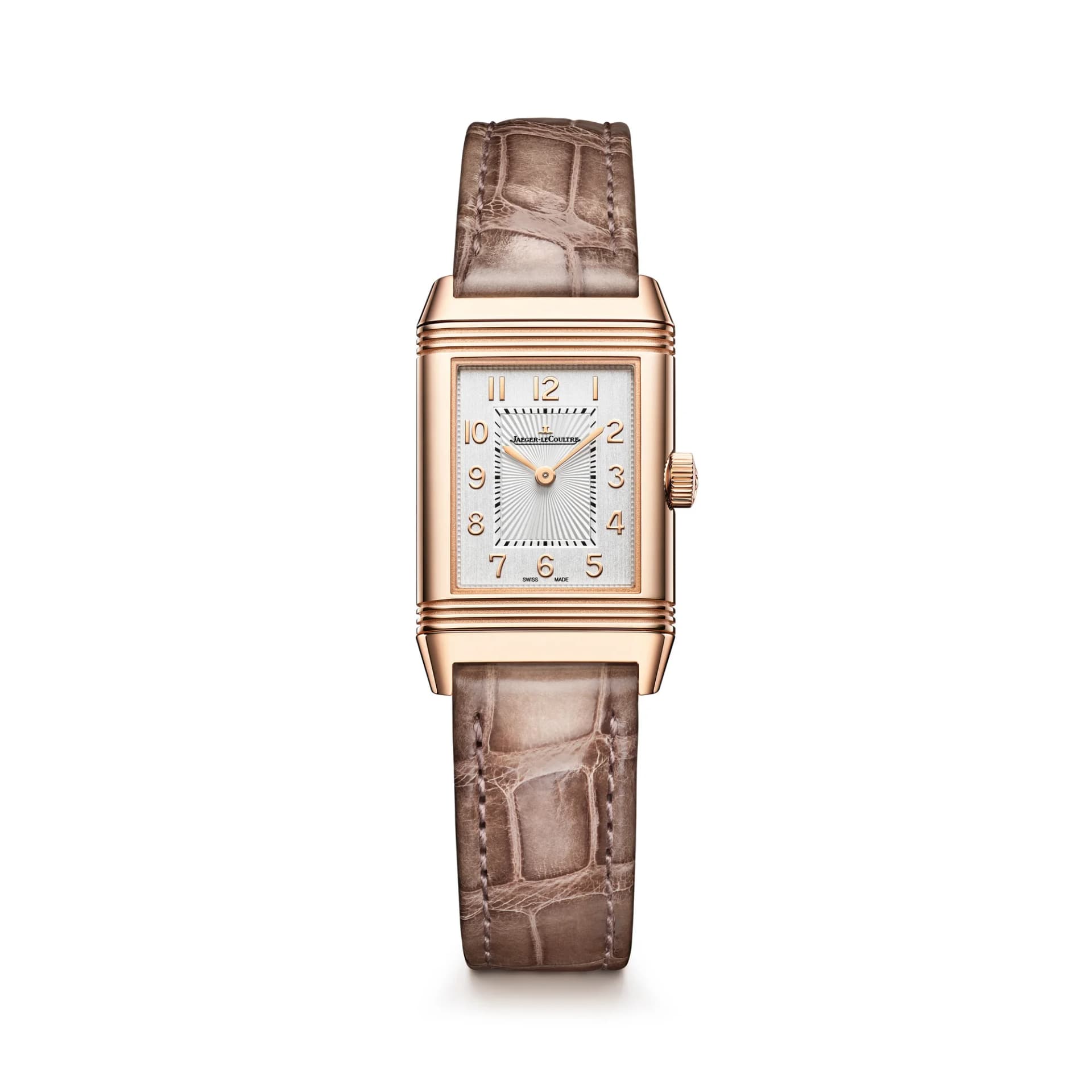
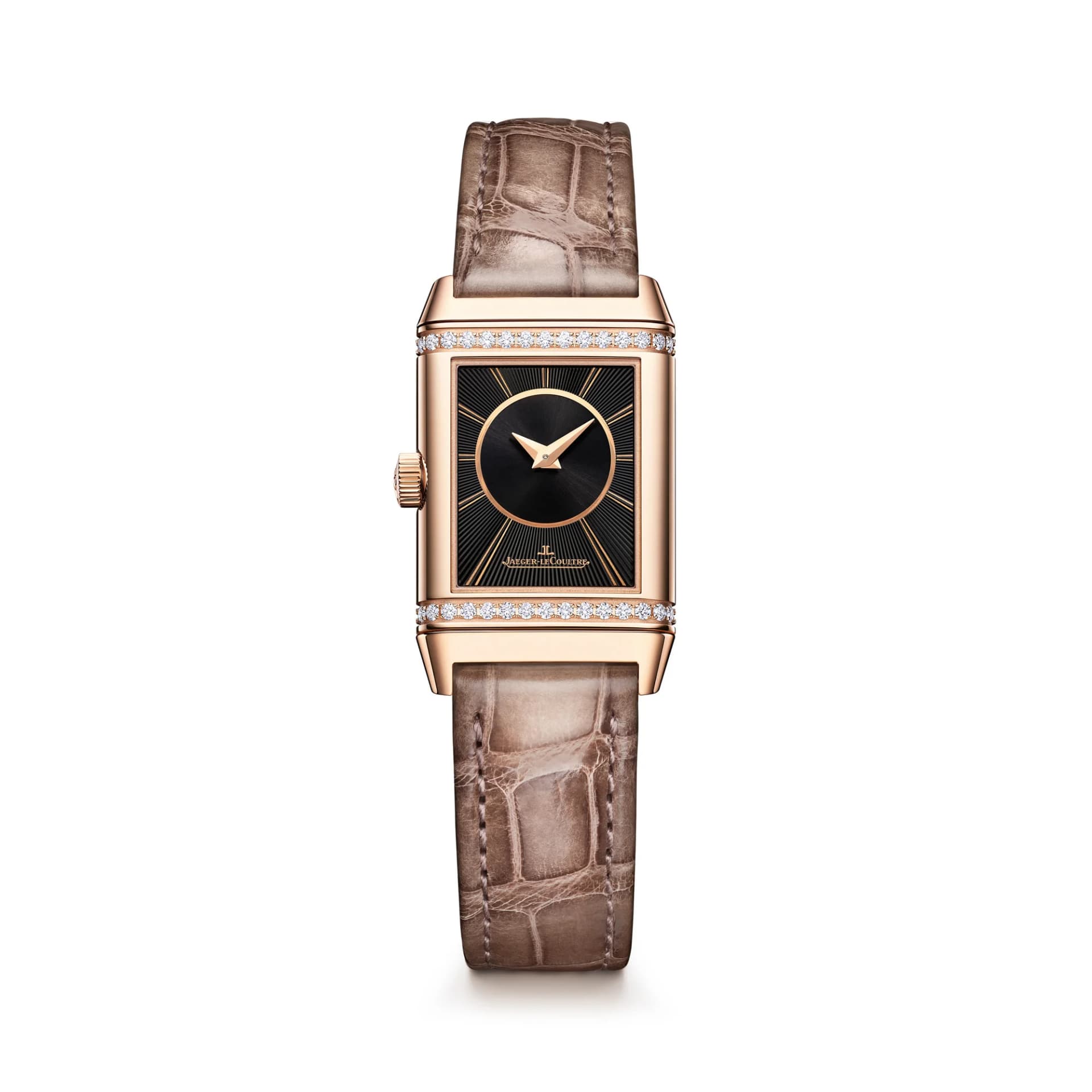
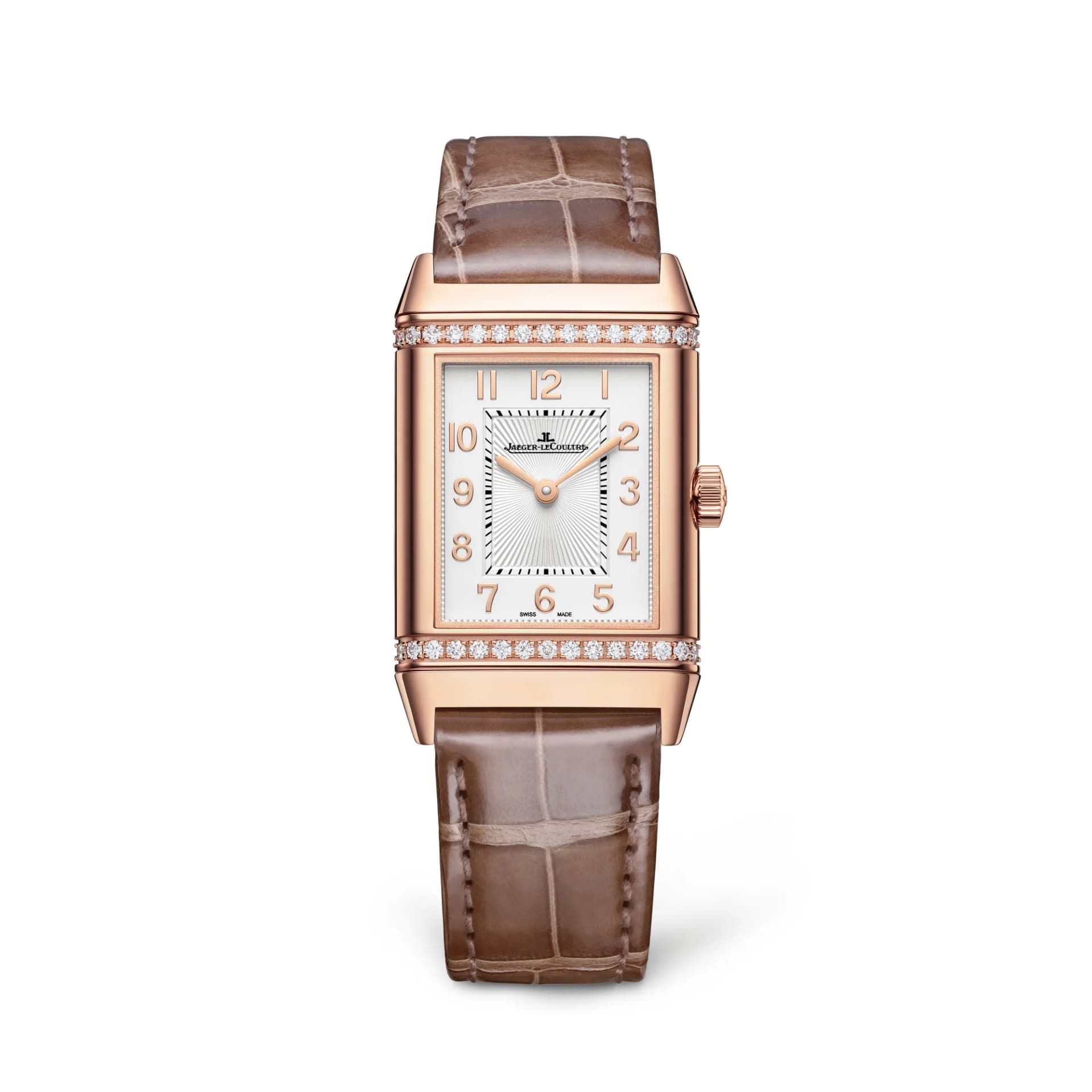
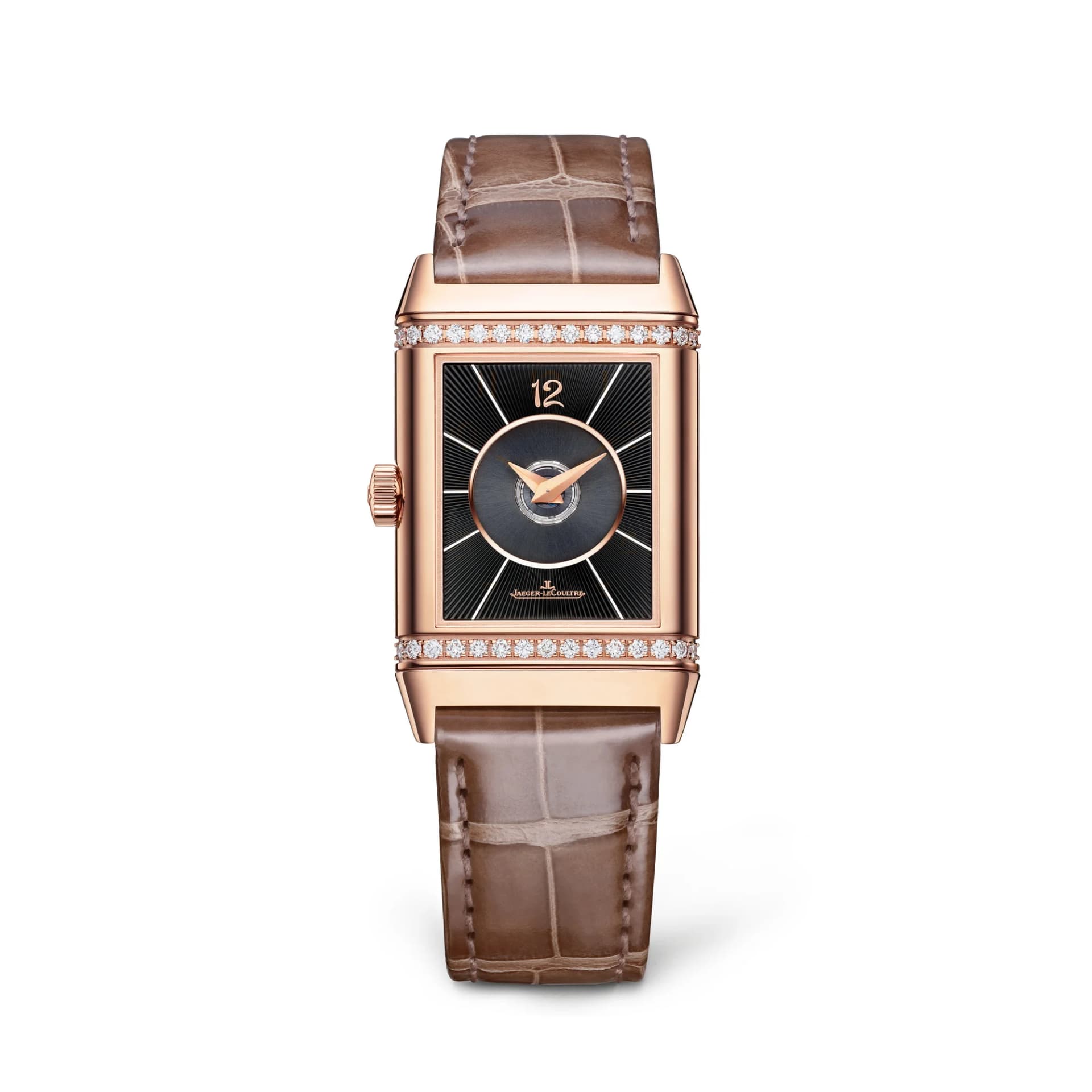
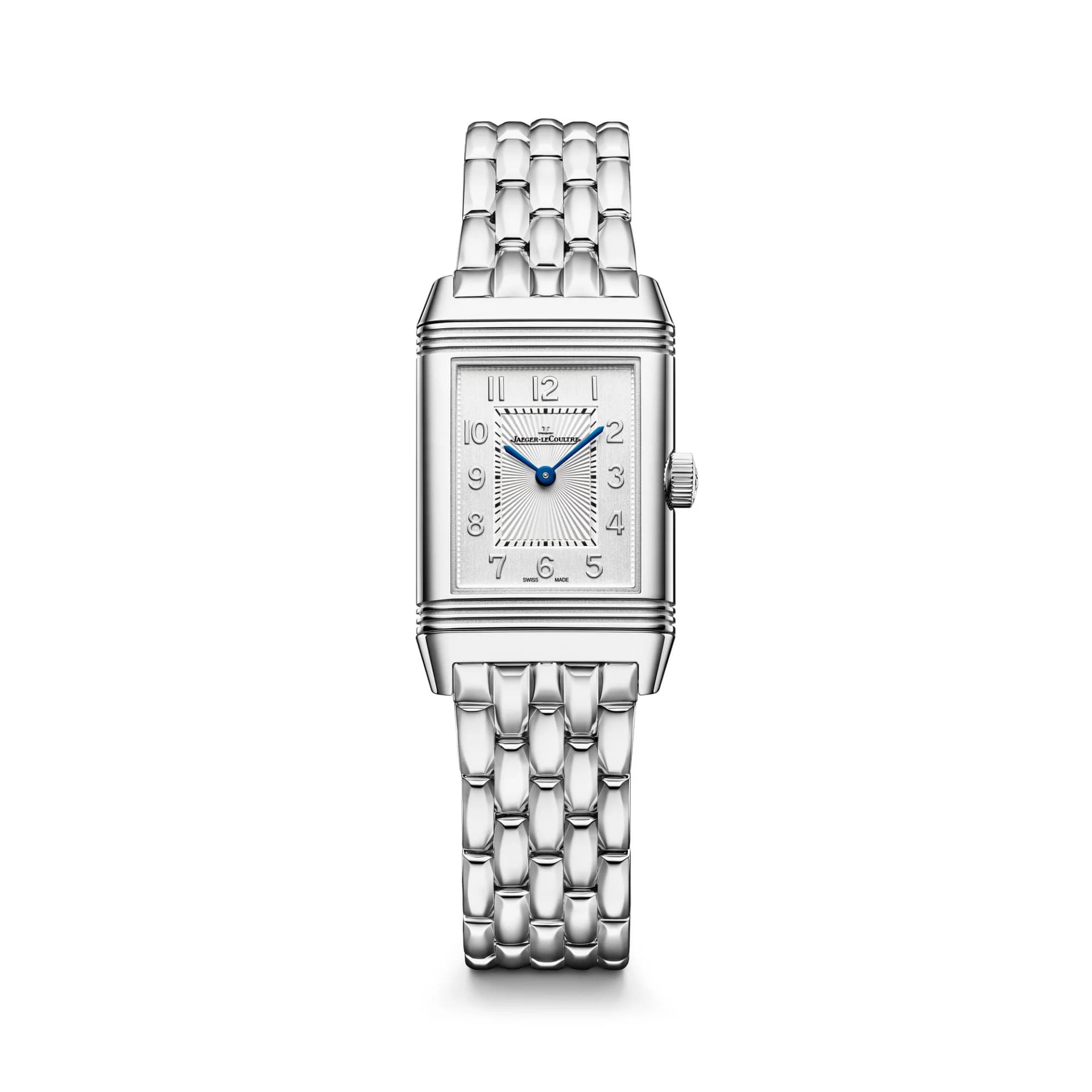
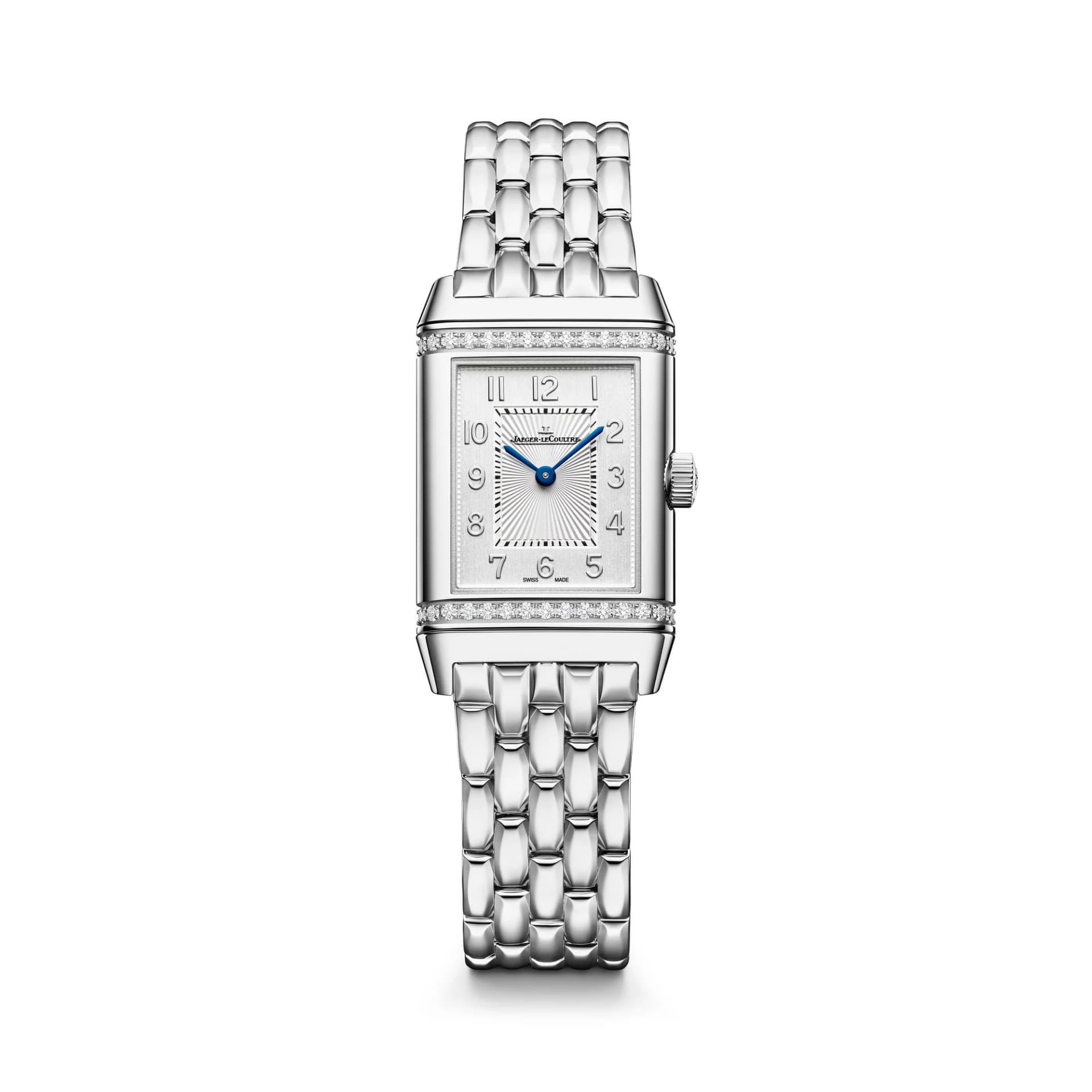
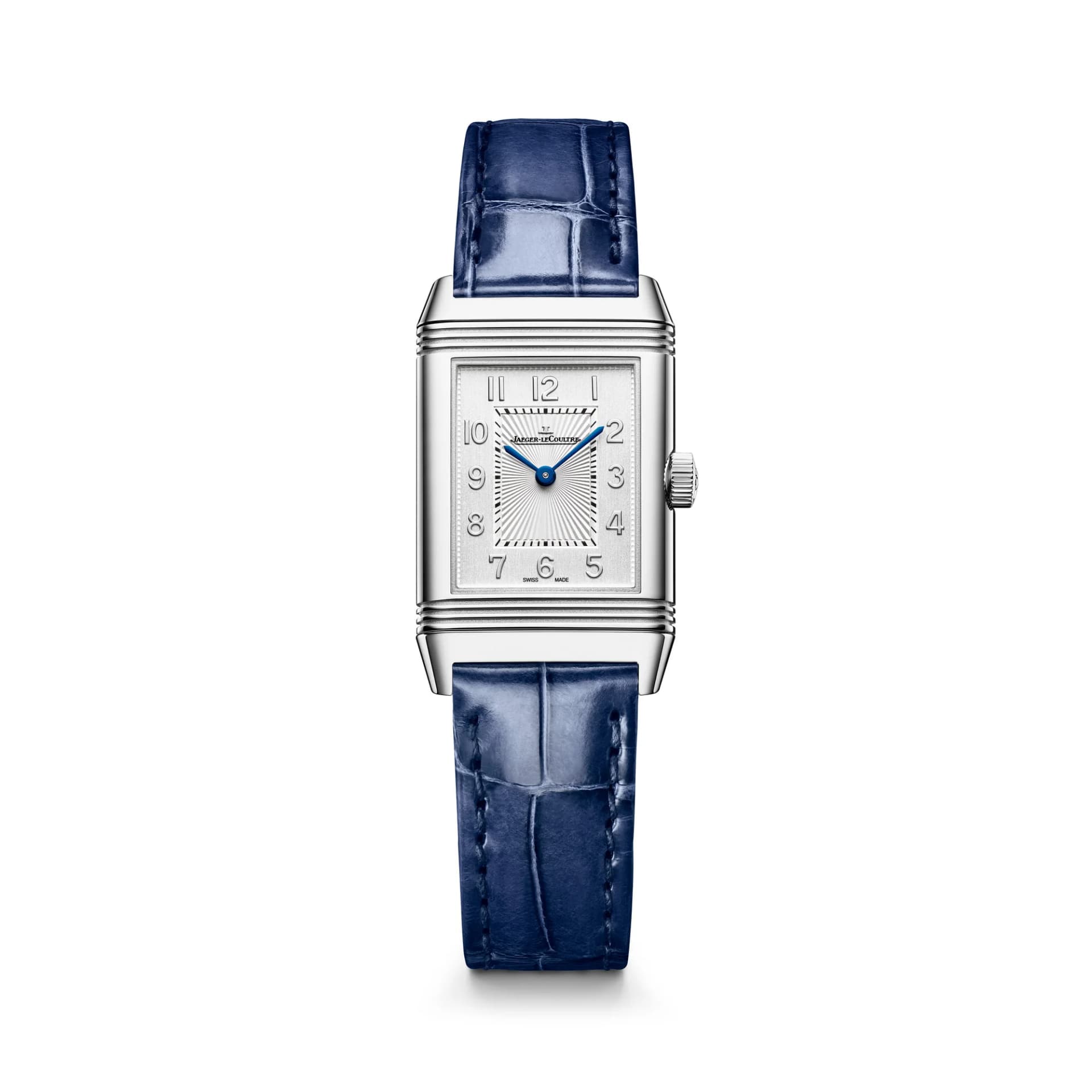
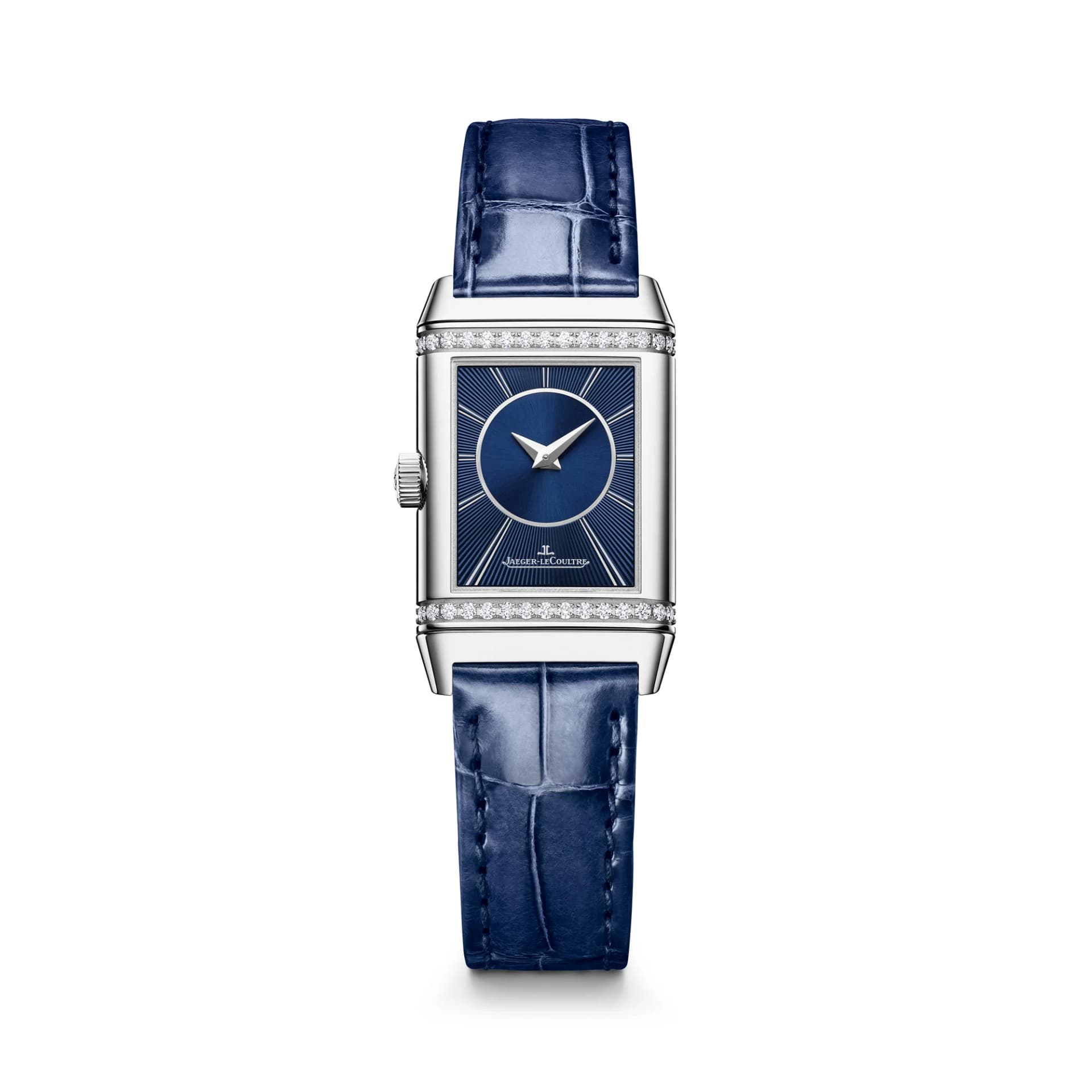
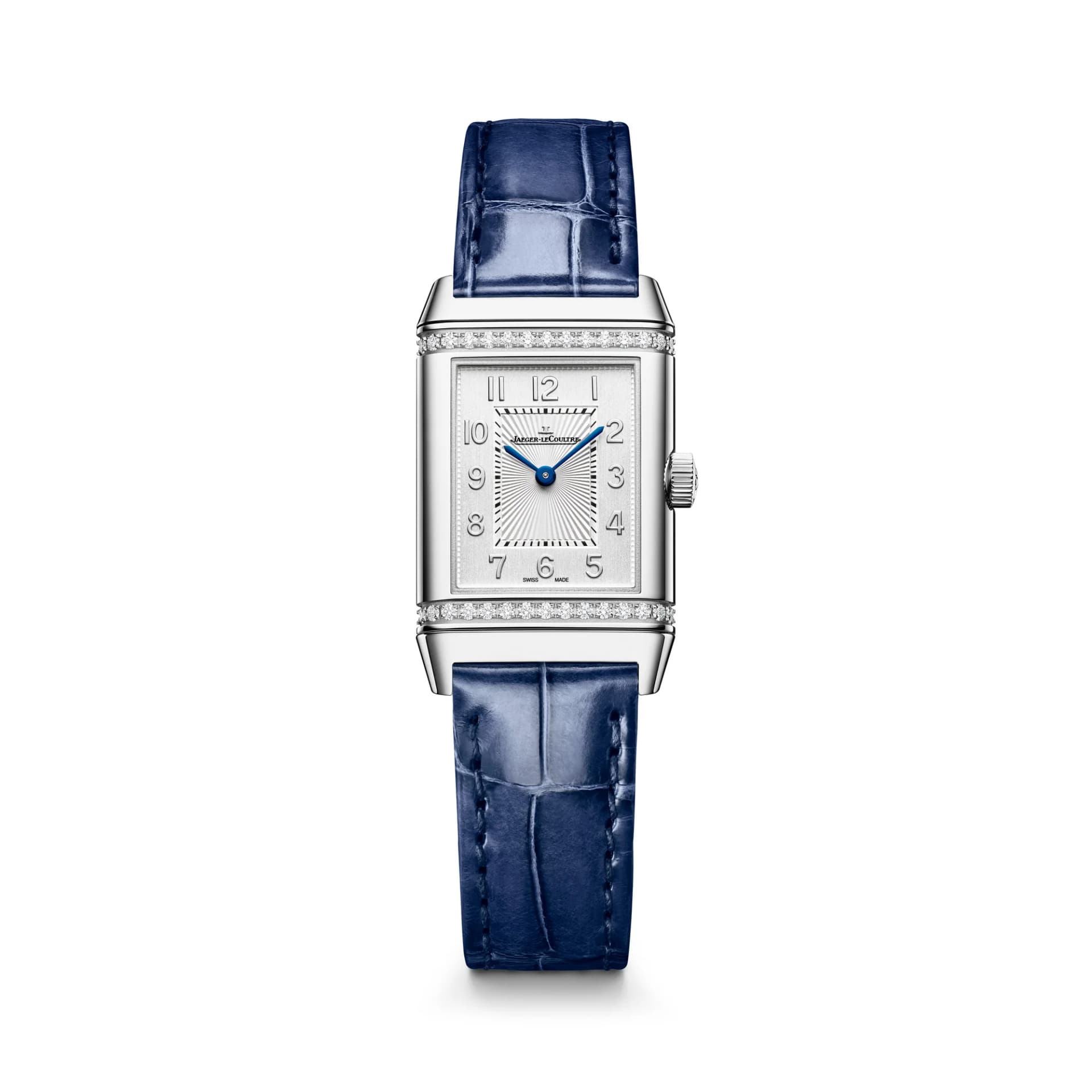
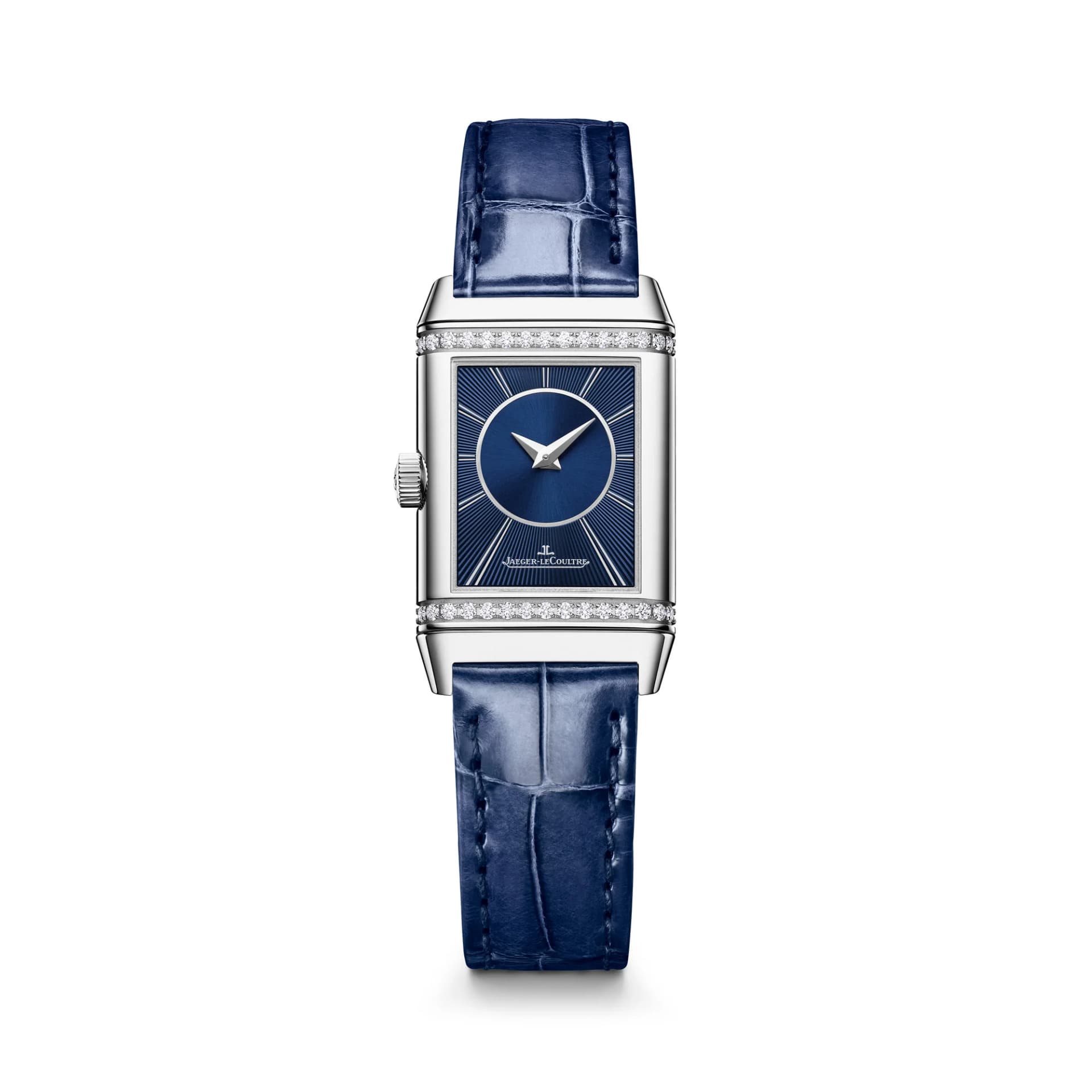
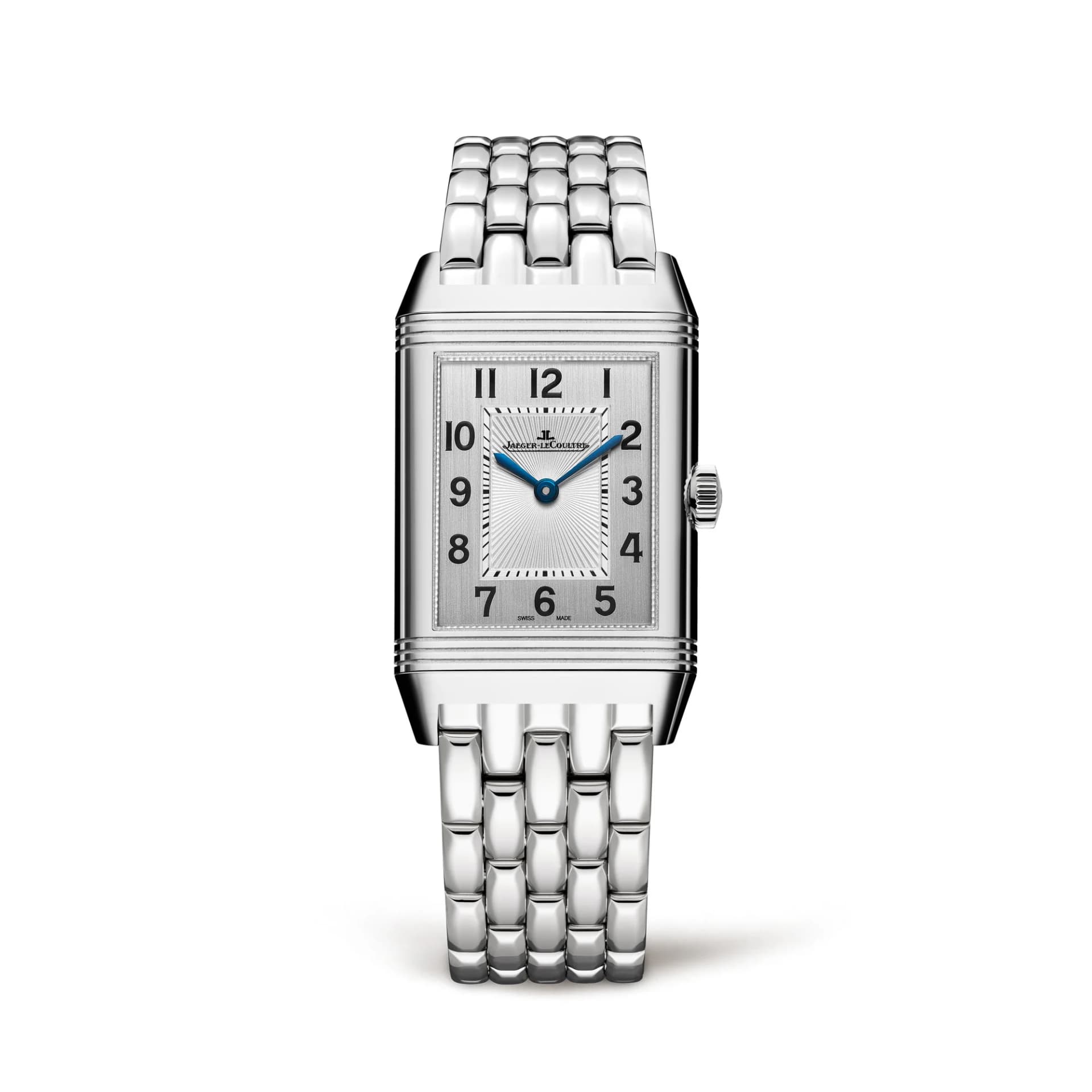
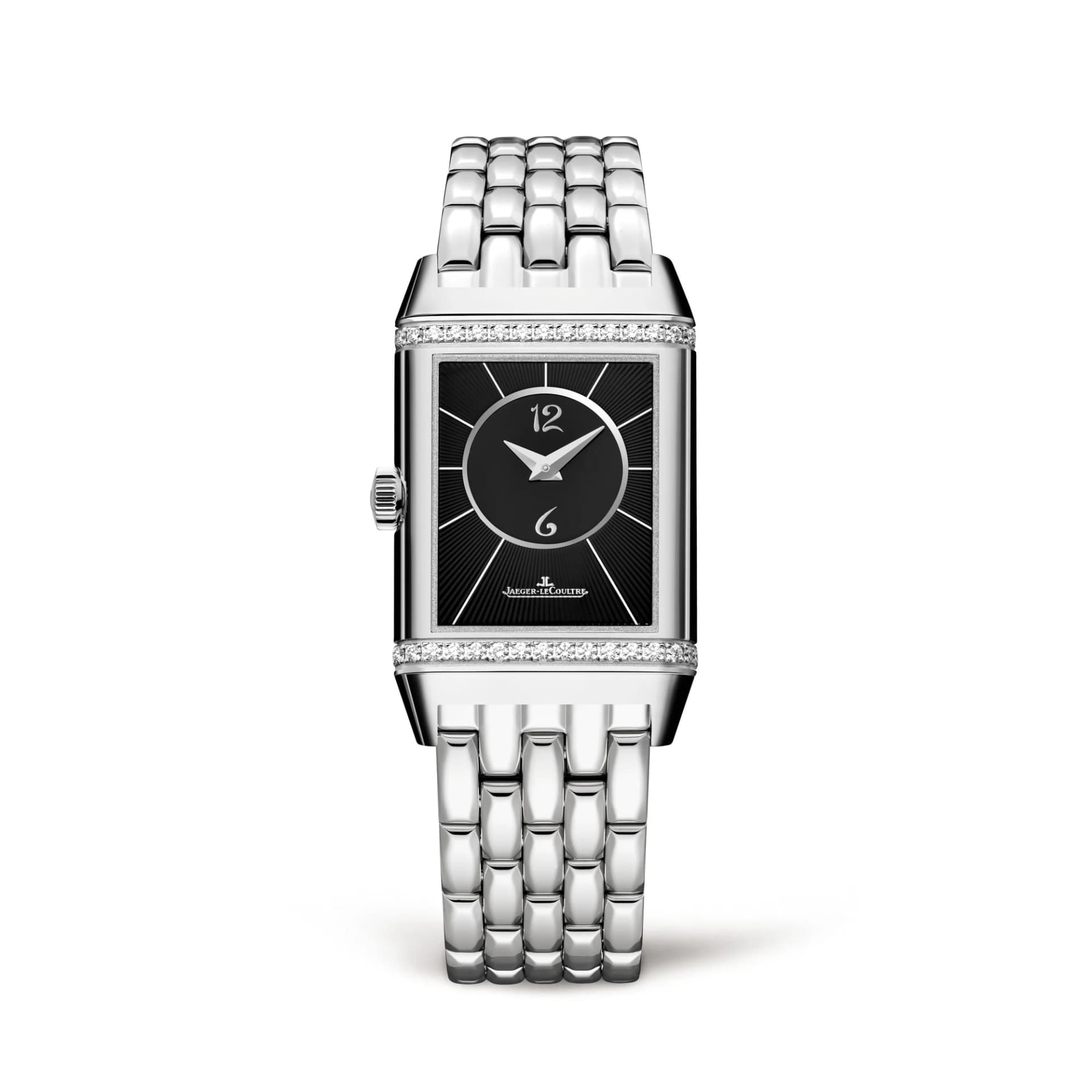
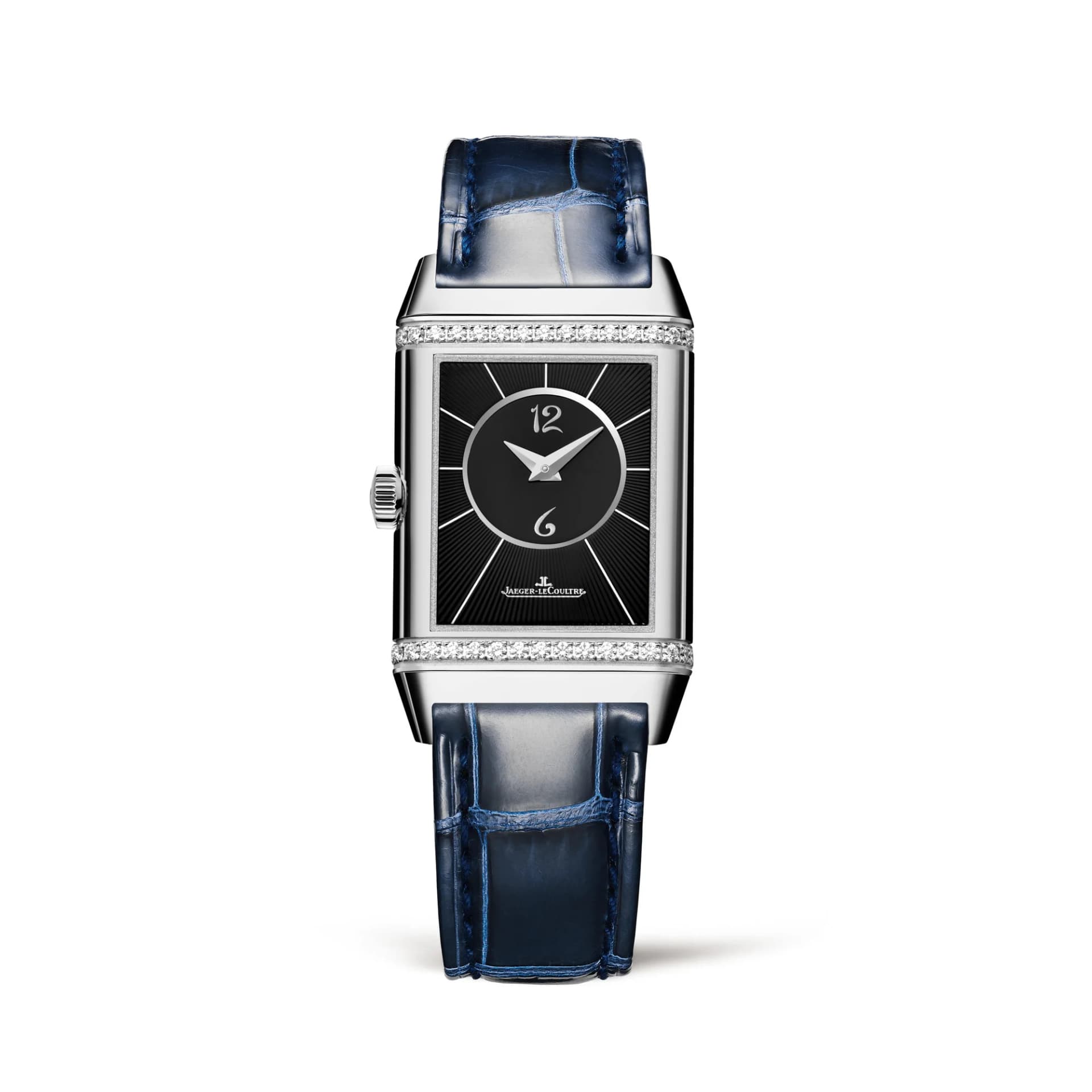
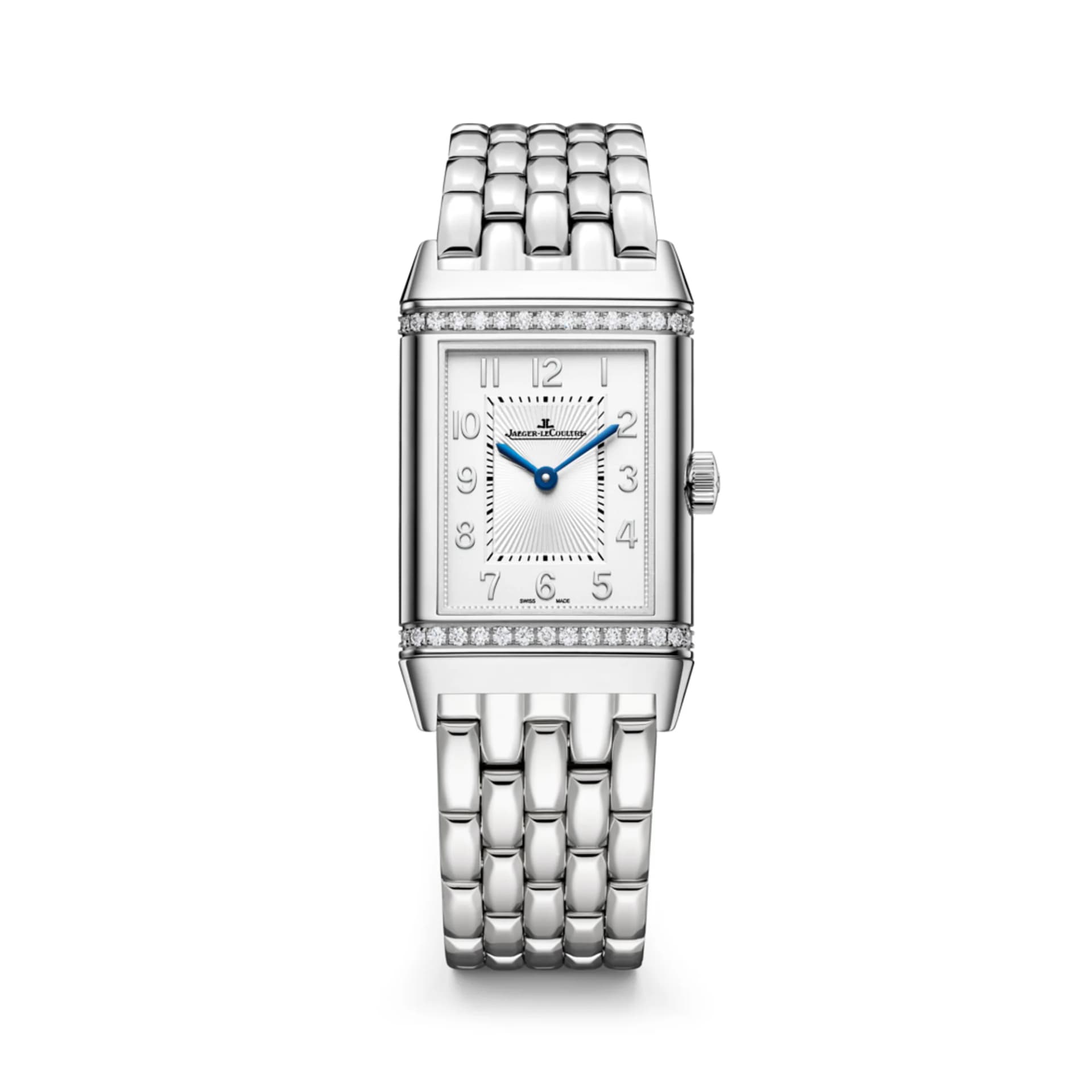
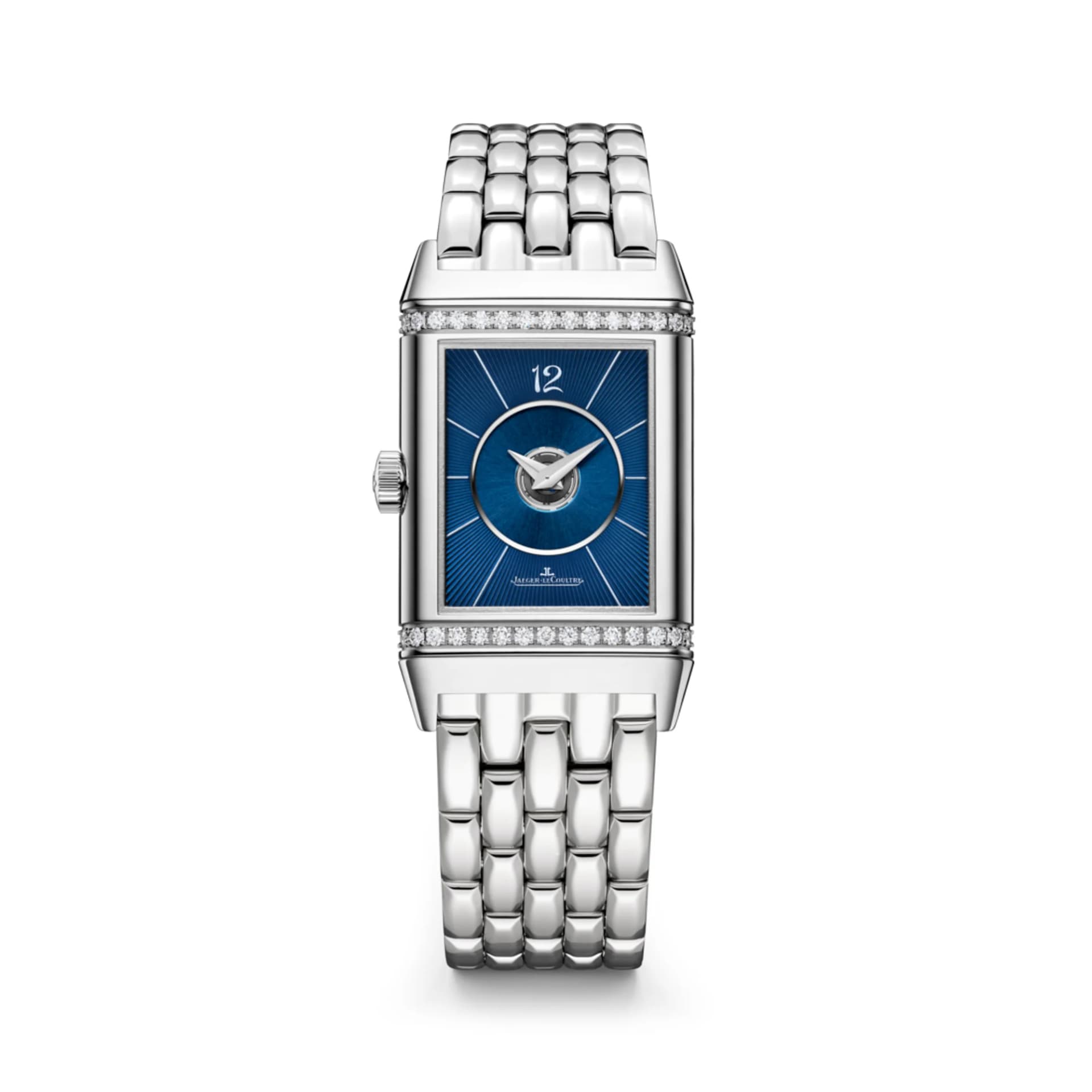
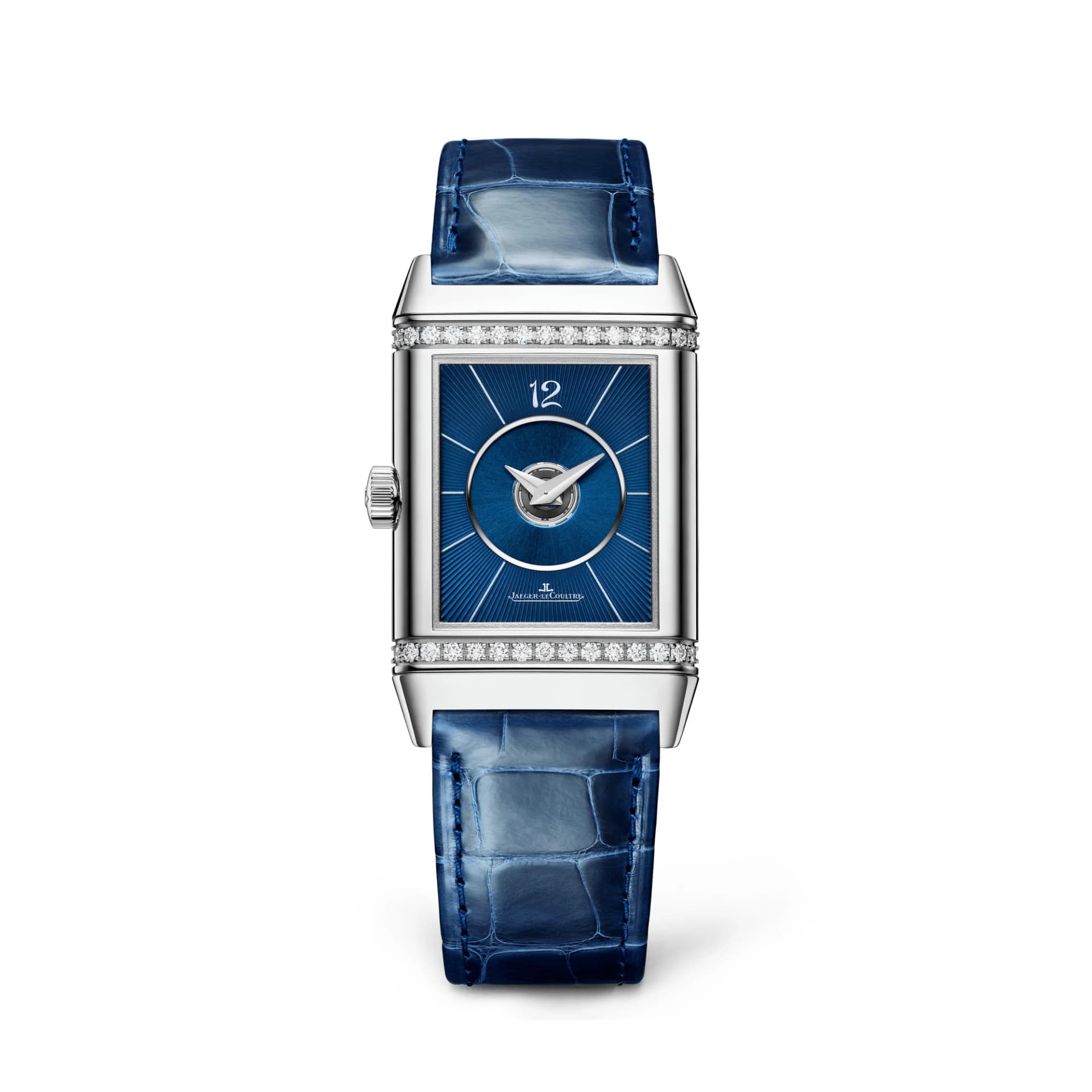
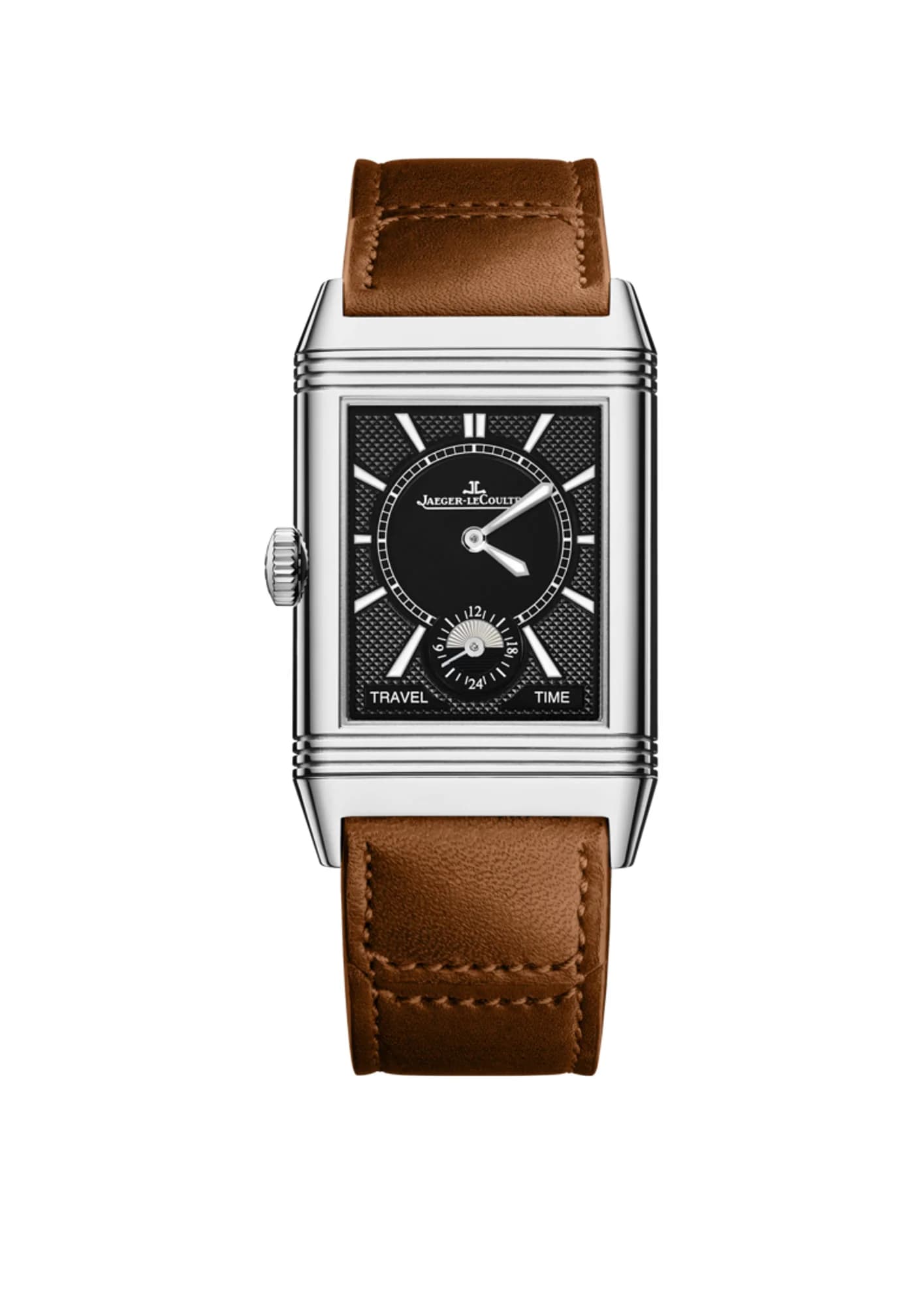
The three horizontal grooves at the top and bottom of the case, the rectangular form and the plain dial are the Reverso's language. The back of the flipping case is used for a personal engraving or a second dial; Duoface models show a second time zone on this face.